Customization Tools Accelerating Loyalty Point Collection in Regulated Mobile Casino Platforms
Leon Schwarz · Oct 15, 2026
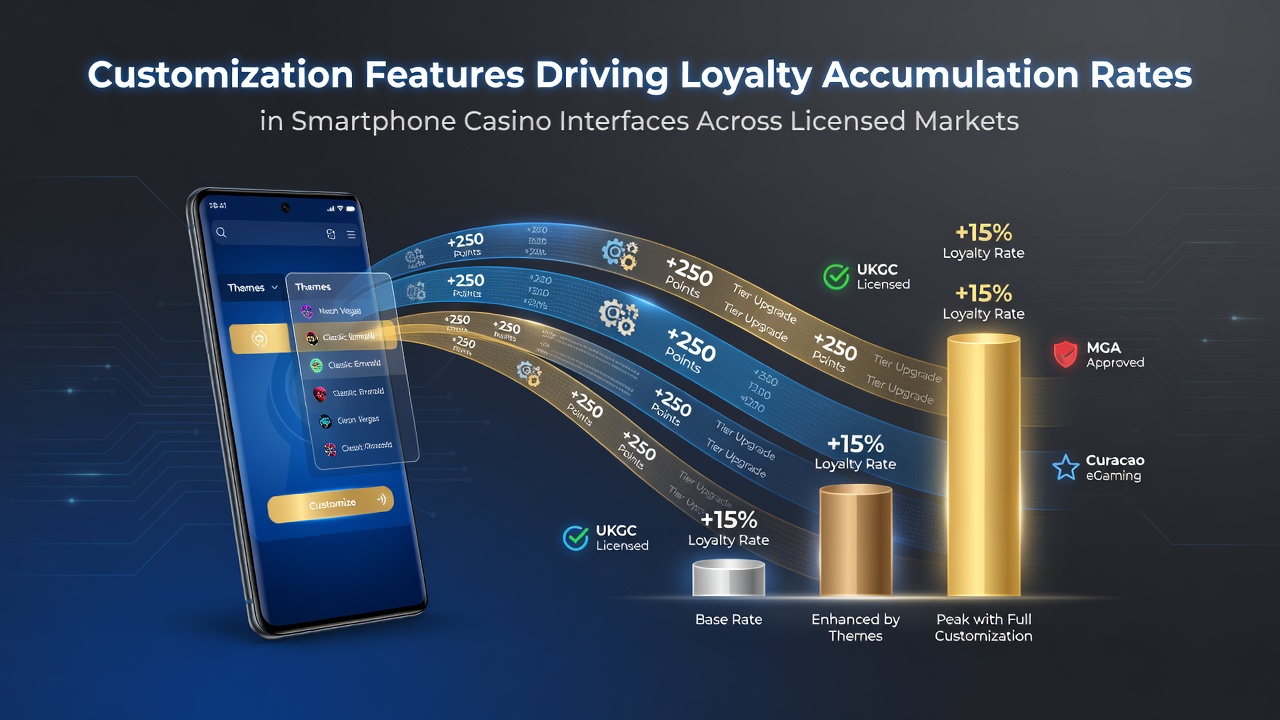
Customization Tools Accelerating Loyalty Point Collection in Regulated Mobile Casino Platforms
Licensed markets have seen steady growth in mobile casino engagement as operators introduce more personalization options within their applications. These features allow users to adjust visual layouts, notification settings, and game filters so that loyalty progress becomes more visible and directly tied to individual play patterns. Data from multiple jurisdictions shows that when players can modify how reward meters appear on their screens, session frequency tends to rise and points accumulate at faster rates than in static interfaces. Operators in North America and parts of Europe have documented higher retention among users who enable custom progress trackers. These trackers display real-time point totals alongside preferred game categories, which encourages continued play within the same ecosystem. Studies conducted by research institutions indicate that such adjustments reduce the cognitive load of navigating standard menus, leading participants to complete more qualifying actions per session.Personalization Options and Their Direct Link to Reward Progression
Features such as drag-and-drop dashboard elements, color scheme selections, and preferred payment method shortcuts appear in an increasing number of licensed applications. When users set these preferences early, the system surfaces loyalty-relevant information without requiring extra taps. Observers note that this seamless display correlates with quicker movement through tier thresholds because players remain engaged longer without frustration from cluttered screens.
Regulated platforms in New Jersey have reported measurable differences in accumulation speed after rolling out customizable notification controls. Players who choose to receive alerts only for bonus milestones or tier-up opportunities maintain higher average daily point gains compared with those using default settings. Similar patterns emerge in data shared by the New Jersey Division of Gaming Enforcement, which tracks mobile activity across state-licensed operators.
Regional Variations in Interface Adjustments
Markets in Australia and select Canadian provinces demonstrate distinct approaches to the same principle. Australian operators emphasize filter customization for slot volatility and live dealer preferences, while Canadian platforms focus on integrating loyalty meters with provincial self-exclusion tools. In both cases, the ability to tailor these elements coincides with documented increases in point accrual rates during peak evening hours.
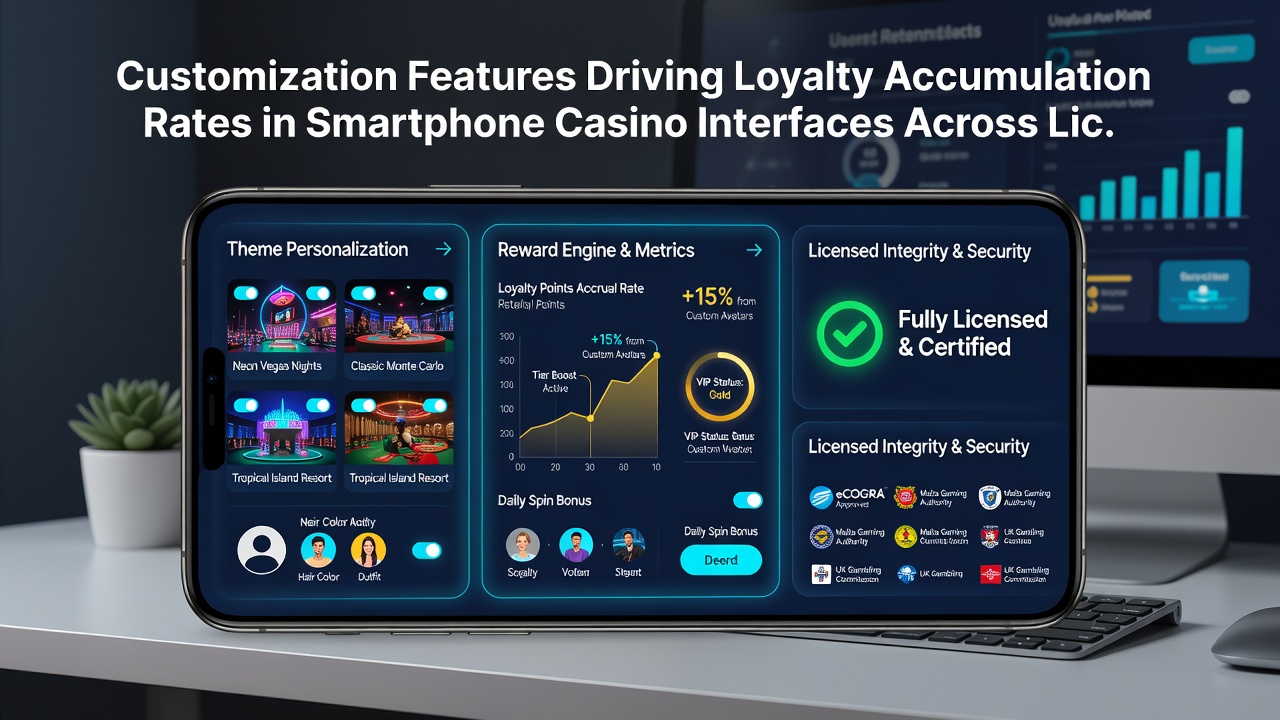
Industry reports compiled by gaming associations across these regions reveal that players who spend time configuring their interfaces within the first week of app use reach mid-tier status roughly 15 percent sooner than non-customizing users. This gap widens further when additional options like quick-access bet sizing and theme-based reward animations become available.
Technical Implementation Across Licensed Jurisdictions
Developers achieve these outcomes through modular code structures that let individual accounts store layout preferences on secure servers rather than local devices. This architecture ensures consistency when users switch between phones or operating systems while maintaining compliance with data protection rules in each licensed market. As a result, loyalty algorithms can reference personalized settings without introducing latency that might otherwise interrupt play flow.
By October 2026, several major platforms plan expanded testing of AI-assisted customization suggestions that propose interface changes based on observed play history. Early pilot programs in Europe already show promise in directing users toward features that align with their typical reward-earning behaviors, though full rollout timelines remain subject to regulatory review in each jurisdiction.
Measurement of Accumulation Rate Changes
Quantitative analyses rely on anonymized session data supplied by operators to academic research groups. These groups apply statistical models to isolate the effect of specific customization toggles while controlling for variables such as deposit size and game type. Findings consistently point to elevated accumulation when progress visuals adapt to user-selected formats rather than remaining fixed.
One study released by a university-affiliated gaming research center examined thousands of accounts across multiple countries and found that participants who activated at least three customization features recorded loyalty point totals that scaled upward more steeply over 30-day windows. The same research highlighted that the effect appeared independent of total playtime, suggesting the interface adjustments themselves influence behavior efficiency.
Conclusion
Across licensed markets, the integration of customization features into smartphone casino interfaces continues to reshape how players interact with loyalty systems. Evidence from regulatory filings, operator reports, and independent research indicates that options allowing users to shape their view of reward progress contribute directly to faster point accumulation. As more jurisdictions refine their mobile gaming frameworks, these tools are likely to expand in scope while remaining anchored in compliance requirements that protect both operators and participants.